
Dogs
It's never long enough

The week back from our trip was not an easy one.
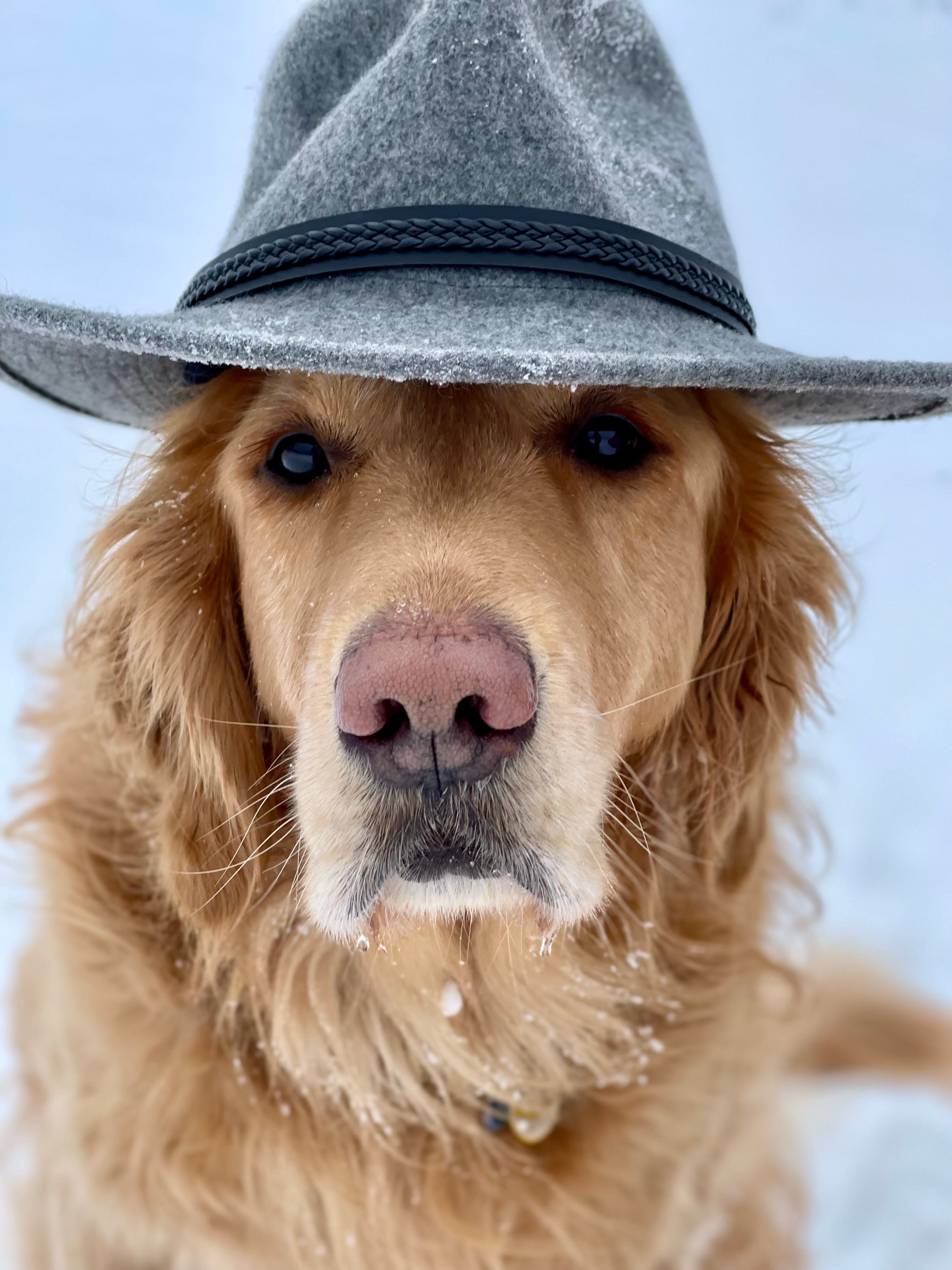
Our senior dog, Oakley, was diagnosed with kidney failure and we had to make the difficult and emotional decision to do what was best for him. He had only eaten small amounts in the last week, except for the day I force-fed him. Along with other signs, we knew it was time, so his wonderful vet came to the house and ended his suffering. Despite the fact that he was a quiet dog, his passing has left a large hole in our household and in all of our hearts, including our 4 year old golden, Bailey.
The pet-human bond can be intense and losing a pet causes varying degrees of grief. Almost a third of all pet owners suffer intense grief and this is affected by the strength of the attachment, the type of attachment, be that an emotional bond, an orientation bond (described as stable behavioural attachment), or both.
The degree of grief is also affected by the type of pet. Some may say that a dog’s passing often creates greater emotional stress than other animals, mainly because dogs have been bred over the millennia to be our companions. (However, losing any pet that a person is emotionally connected to is very difficult.)
For years, the study of dog behaviour was ignored by science, but in the last 25 years we have seen a renaissance of sorts in understanding how dogs think and just as importantly, how they feel. The first Canine Cognition centre in the U.S was established in 2009 at Duke University. Before that studies of dogs were generally one offs and part of an individual’s research plan or doctoral dissertation, with little focused research. Now there are at least 8 canine cognition centres around the world.
Some of the results:
Except for primates, dogs are the only animals that consistently understand human pointing and looking. Even from a very young age, dogs will follow a person’s gaze or look to where a person is pointing. (Ford et al., 2019), (Hare et al., 2002), (Riedel et al., 2008).
Dogs understand that different people have different levels of knowledge. Example: A dog is trained to understand that a key opens a box. Person A puts a treat in a box and locks the box, then leaves the room, leaving the key behind. Person B enters the room and the dog will indicate to person B where the key is, not where the treat is. The dog understands that person B does not know where the key is. Dogs have been shown to be attentive to a person’s attention direction and availability, and dogs produce their own communication signals in an intentional way. Just ask anyone who has food and a dog. (Call et al., 2003), (Bräuer et al., 2004), (Kaminski et al., 2009), (Savalli et al., 2013).
When a human is in love their brain releases dopamine and norepinephrine. A dog’s brain does the same thing when it sees someone who is part of its pack. In fact, MRI studies have shown that this happens when they hear their loved ones’ voices or only see a photo of them.
Dogs study us; they are the anthropologists of the animal kingdom. They learn our patterns, body language, tone of voice, facial expressions, scent, schedules, emotions, and so on. Knowing that increases the bond between humans and dogs, making them more members of the family than simply just pet companions.
All of this is my scientific justification for the intensity of feelings at having lost Oakley. While I was prepared for his eventual death, I had counted on at least one more year with him.
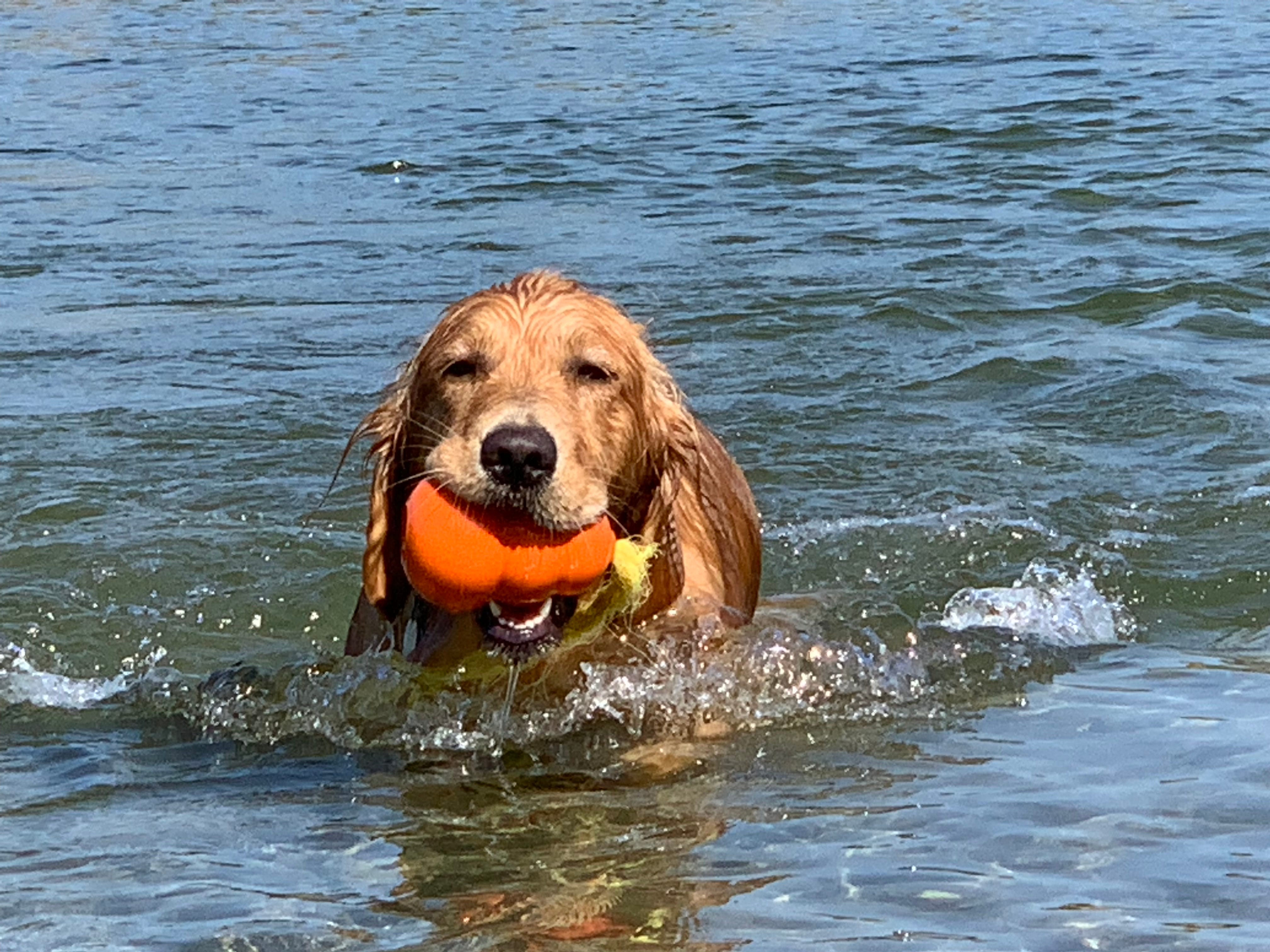
So, I’m going to watching some empty TV, play with Bailey, and remember all the things about Oakley that made us smile: like stealing shoes and waiting to be chased; sitting in the kitchen when there were muffins or roast turkey and grunting loudly when we looked at him; waiting on the bed for a treat before he’d get off; sitting on the deck stoically enjoying the view, his hind quarters on the top step, his front legs on the next step, watching and listening and smelling; barking once and waiting for the neighbourhood dogs to respond, then barking once, again, to keep the conversation going; spending as much time as he could swimming in the pool, or the river, or the lake; and barking at the neighbour’s cat, the wild male pheasant and the constantly annoying squirrels. There are a lifetime more of memories to keep him alive in our hearts.
Rest in peace, Little Man.
Ah, what an amazing tribute. And I'm a huge fan of doing research and finding evidence to explain feelings, as a coping strategy. You lost of one of the family - there is no need to explain the grief and the space that has been left. Oakley had a great home and lots of great memories, too. I'm sure he misses you all very much, too.
Lots of love from me and the 12 cats in Wales xx
(We can compare notes with the behaviour of cats another time: they are good for waiting around for treats; stealing shoes not so much but have been known to poop in them.)